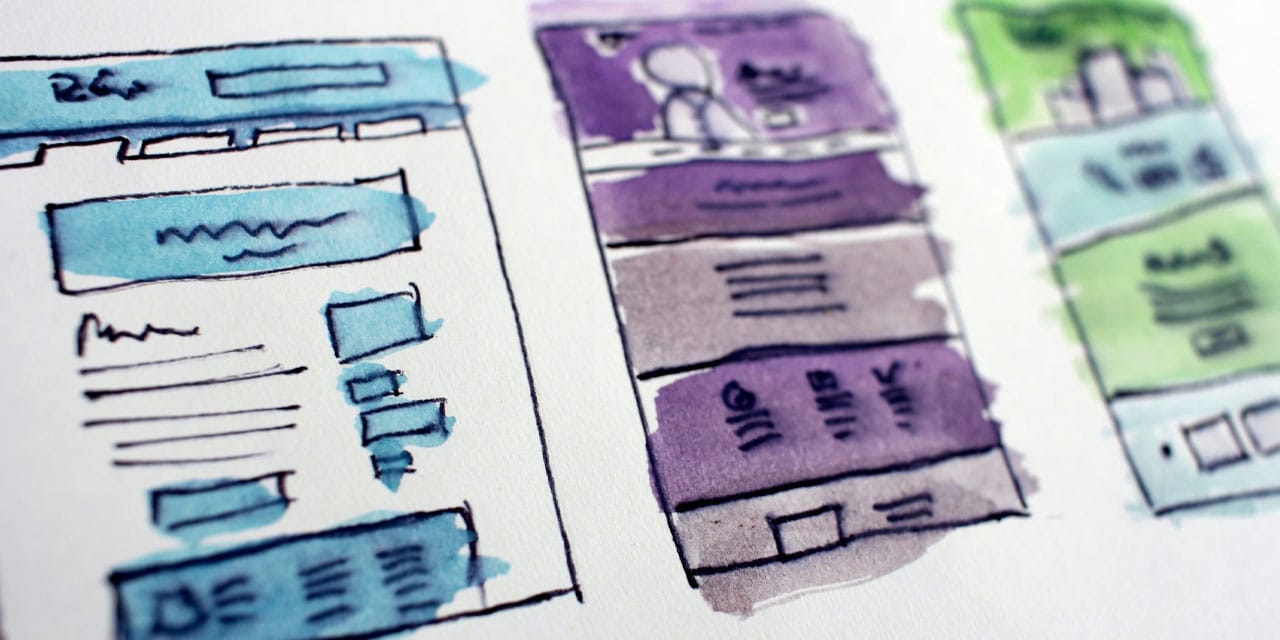

For many small businesses, building a website feels like something you simply “have to do”. You know you need one; but beyond that it can be hard to know where to start.
The reality is, a website isn’t just an online brochure. Done properly, it’s a sales tool, a credibility builder, and often your most important marketing asset. It literally legitimises you as a credible business to a potential customer.
Before you invest time and money into building one, here are the key things we believe every small business owner should understand.
1. Be Clear on What You Want Your Website to Do
Before design, before colours, before logos, ask this:
What is the purpose of this website?
Are you trying to:
- Generate leads?
- Sell products online?
- Book appointments?
- Showcase past work?
- Build brand awareness?
If you’re not clear on your goal, your website won’t be either. Every page, section and call-to-action should support a defined objective. A website without direction often ends up looking nice but not converting. And converting is what most businesses are all about.
2. Your Website Is About Your Customer (Not You)
One of the most common mistakes small businesses make is building a website that talks too much about themselves.
Your visitors are asking:
- Can you solve my problem?
- Why should I trust you?
- What do I do next?
Your website should clearly explain:
- Who you help
- What problem you solve
- How you solve it
- Why you’re different
Clear messaging beats clever wording every time. It’s all about communication.
3. Structure Matters More Than Most People Realise
A well-structured website helps visitors quickly find what they need. At minimum, most small businesses need:
- Home
- About
- Services
- Contact
- Privacy Policy
Depending on your industry, you may also need:
- Blog/News** (see below)
- Portfolio / Case Studies
- FAQs
- Booking or ecommerce functionality
Good structure improves user experience; and it also helps with search engine optimisation (SEO – super important).
** A good Blog/News section literally makes you a content publisher, meaning you can tell the world about all the good things your business can do. The more you deliver on-brand, well written, in-demand content through your website, the more you’ll be rewarded with organic reach through Google. That’s Content Marketing 101 and done right, small businesses can compete with the big boys at a content level.
4. Mobile Isn’t Optional
More than half of website traffic now comes from mobile devices. If your site doesn’t load properly or look clean on a phone, you’re losing business.
A modern website must:
- Be fully responsive
- Load quickly
- Have clickable buttons that are easy to tap
- Avoid cluttered layouts
Google also prioritises mobile-friendly websites in search rankings, so this affects visibility as well as usability. It’s hard to believe but we still come across websites that look “okay” on a computer, but TERRIBLE on a mobile phone or device.
This article by Forbes explains the important of a “mobile first” strategy.
5. Speed and Performance Directly Impact Conversions
If your website takes too long to load, visitors leave. It’s that simple.
Optimised images, clean code, reliable hosting and smart design decisions all contribute to performance. A slow website doesn’t just frustrate users; it costs you enquiries and sales.
6. SEO Should Be Built In (Not Bolted On Later)
Search engine optimisation isn’t something you “add later.” It should be part of the build process from the beginning.
This includes:
- Proper heading structure
- Keyword-optimised content
- Meta titles and descriptions
- Clean URLs (links)
- Technical optimisation
A well-built website gives your business the best chance of being found when potential customers search for your services.
7. Security and Maintenance Are Ongoing Responsibilities
A website isn’t a one-time project. It’s a living digital asset.
You’ll need:
- Regular updates (we can help)
- Security monitoring (we can help)
- Backups (we can help)
- Plugin and platform maintenance (we can help)
Without maintenance, websites become vulnerable, slow and outdated.
8. Your Website Is an Investment (Not an Expense)
Cheap websites often cost more in the long run. Poor design, lack of strategy, and no SEO planning can result in a site that looks fine but produces little return.
A professionally planned and built website should:
- Strengthen your credibility
- Improve visibility
- Generate consistent enquiries
- Support long-term growth
When done properly, it becomes one of the highest-ROI marketing assets your business can own.
Final Thoughts on Building a Website
Building a website is a major step for any small business. The difference between a site that simply exists and one that actively generates leads comes down to planning, structure, and strategy.
Before you begin, take the time to define your goals, understand your audience, and approach your website as a business tool (not just a design project).
If you’d like guidance on building a website that actually supports growth, the team at CJI Tech Solutions can help you plan, design and launch a site that works as hard as you do.