
If you’re building a website for a small business, one of the biggest mistakes you can make is focusing purely on design; without thinking about how the site will actually generate leads.
A great-looking website means nothing if it doesn’t convert visitors into enquiries… and we want that in-box humming.
The difference between a website that just exists and one that consistently brings in business comes down to planning, structure, and strategy.
Here’s how to plan a small business website that’s built to generate real results.
Start With a Clear Goal
Before anything else, define what you want your website to achieve.
Ask yourself:
- Do you want more enquiries?
- Phone calls?
- Quote requests?
- Bookings?
Your entire website should be built around a single primary goal.
Without this clarity, your messaging, layout and calls-to-action will lack direction (and your conversions will suffer).
Understand Your Target Audience
A high-converting website speaks directly to the right people.
Think about:
- Who your ideal customer is
- What problems they’re trying to solve
- What information they’re looking for
- What might stop them from contacting you
When you understand your audience, you can create messaging that connects, which is critical for website conversion optimisation.

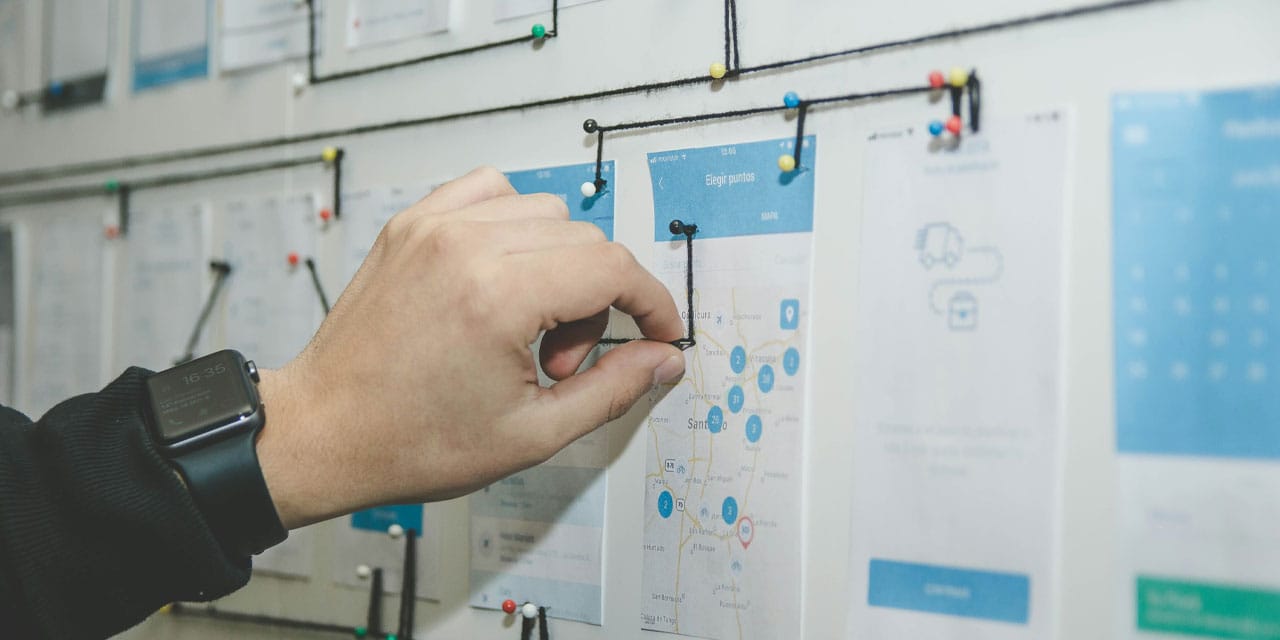
Map Out a Conversion-Focused Structure
Your website structure should guide users toward taking action.
At a minimum, your small business website should include:
- Home
- About
- Services
- Contact
- Landing pages (for specific offers or services)
Each page should have a clear purpose and lead users toward your main goal.
Think of your website like a journey. Every step should move visitors closer to becoming a lead. This is where your website’s UX is critical too (more on that in a bit).
Create Clear, Benefit-Driven Messaging
Visitors don’t care about your business as much as they care about their own problems.
Your messaging should clearly answer:
- What do you do?
- Who do you help?
- What problem do you solve?
- Why should someone choose you?
Focus on benefits, not just features. This builds trust and increases the likelihood of conversion.
Use Strong Calls-to-Action (CTAs)
A lead-generating website makes it obvious what to do next.
Effective CTAs:
- Are clear and direct (“Get a Quote”, “Book a Call”)
- Stand out visually
- Appear throughout the site (not just on one page)
Without strong CTAs, even interested visitors won’t take action.
Design for User Experience (UX)
Good design isn’t just about aesthetics… It’s about usability.
Your website should:
- Be easy to navigate
- Load quickly
- Work seamlessly on mobile
- Present information clearly
A smooth user experience keeps visitors engaged and reduces drop-off, which directly improves conversions. In particular, think about your visitor’s journey towards that “Contact Us” section. It can’t be too many clicks away.
Build Trust From the Start
People won’t convert if they don’t trust you.
Include trust-building elements such as:
- Testimonials and reviews
- Case studies or past work
- Professional design and branding
- Clear contact information
Trust is one of the biggest factors in small business website conversion rates.
Optimise for SEO From Day One
A website can’t generate leads if no one can find it.
That’s why SEO should be built into your website planning process, not added later.
Focus on:
- Keyword-optimised content
- Clear page structure
- Fast load speeds
- Mobile-friendly design
Target keywords like:
- building a website for small business
- small business website design
- how to generate leads from a website
This helps attract the right traffic. People who are already searching for your services.
Use Landing Pages for Specific Offers
If you want more leads, don’t rely on your main pages alone.
Create dedicated landing pages for:
- Individual services
- Promotions or campaigns
- Location-based offerings
Landing pages are focused, distraction-free, and designed specifically for conversion, making them one of the most powerful tools for lead generation.
Track and Improve Performance
A high-performing website is never “finished.” Use tools like analytics and tracking to monitor:
- Traffic
- User behaviour
- Conversion rates
This allows you to refine your website over time and continuously improve results. This is one thing we love here at CJI Tech Solutions. Stats! Here’s a great article on why Google Analytics is so important for anyone with a website.
Final Thoughts
Planning is the most important step when building a website for a small business that actually generates leads.
When you focus on:
- Clear goals
- Strong messaging
- Smart structure
- User experience
- SEO
… you create a website that doesn’t just look good; it works.
If you’re ready to build a small business website designed for lead generation, CJI Tech Solutions can help you plan, design and launch a site that delivers real results.
👉 Contact us to get started.