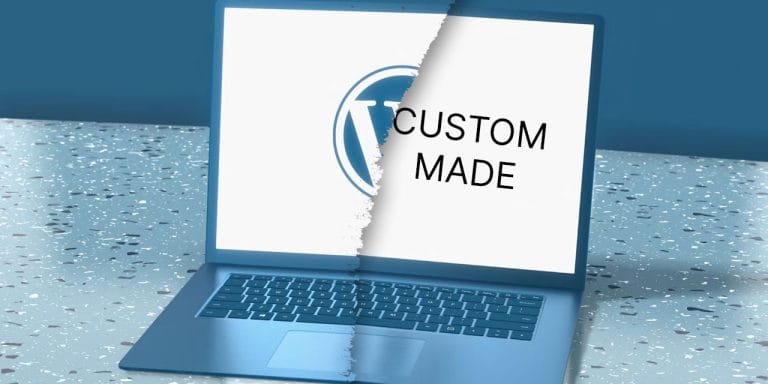
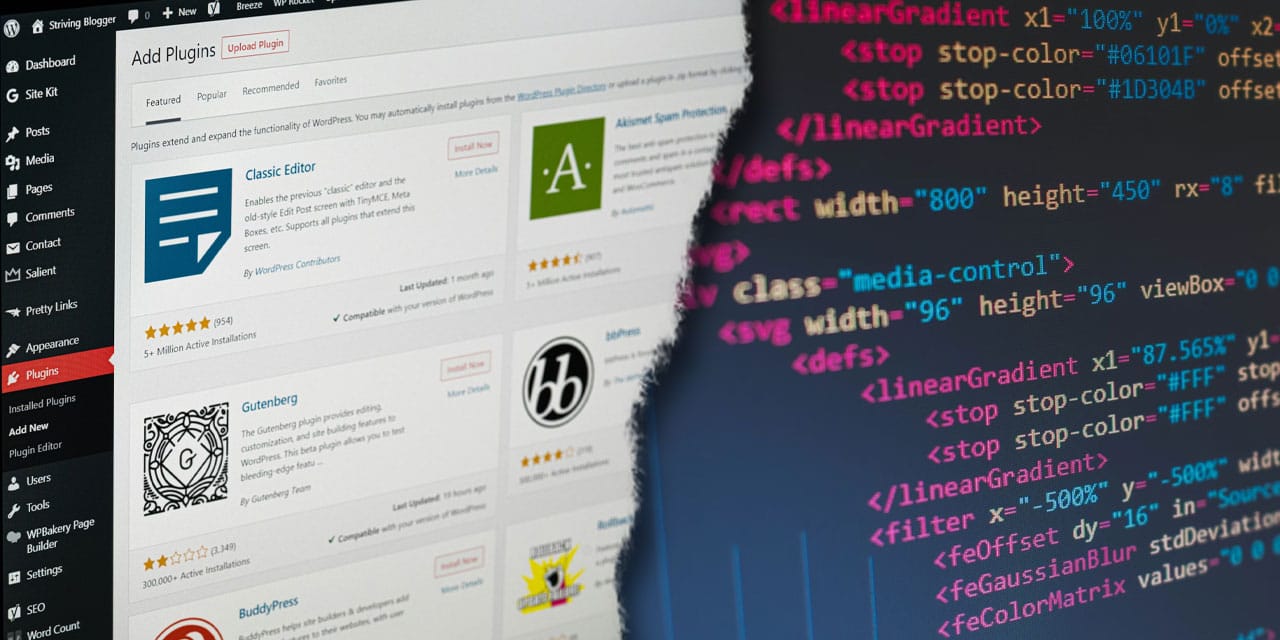

If you’re building a website for a small business, one of the first decisions you’ll face is whether to use WordPress or go with a custom HTML website.
It’s a common question, and the answer isn’t always straightforward. Both options have their strengths, but the right choice depends on your goals, budget, and how you plan to use your website long term.
In this guide, we break down the key differences to help you choose the best approach for your small business website.
What Is WordPress?
WordPress is a content management system (CMS) that allows you to build and manage a website without needing to code everything from scratch.
It powers over 40% of websites globally, largely because it’s flexible, scalable, and relatively easy to use.
Benefits of WordPress for Small Business:
- Cost-effective: Faster to build, which reduces upfront costs
- Easy to update: You can edit content, add blogs, and upload images yourself
- SEO-friendly: Built-in tools and plugins help optimise your site
- Scalable: Add new pages, features or functionality as your business grows
- Plugin ecosystem: Access to thousands of tools (forms, bookings, ecommerce, etc.)
For most businesses looking at website design for small business, WordPress is often the go-to solution.
What Is a Custom HTML Website?
A custom HTML website is built from the ground up using code. Every element is designed and developed specifically for your business without relying on pre-built themes or systems.
Benefits of Custom HTML Websites:
- Fully customised design: No limitations from themes or templates
- High performance: Typically faster loading when built well
- Greater control: Developers can fine-tune every detail
- Enhanced security: Fewer third-party plugins reduce vulnerabilities
Custom builds are often chosen for highly specialised projects or businesses with very specific requirements.
Key Differences: WordPress vs Custom HTML
Ease of Use
If you want to manage your own content, WordPress is far more user-friendly. You don’t need technical knowledge to update text or publish blog posts.
With a custom HTML website, even small changes usually require a developer.
Cost and Development Time
For most small business website design projects:
- WordPress = lower cost, faster turnaround
- Custom HTML = higher cost, longer build time
If budget is a key consideration, WordPress is typically the more practical option.
SEO Capabilities
Both options can perform well in search engines; but WordPress has a clear advantage for most users.
It makes it easier to implement:
- Meta tags
- Keyword optimisation
- Blog content
- Internal linking
This is especially important when you’re focused on building a website for small business that needs to generate organic traffic.
Flexibility and Scalability
WordPress allows you to easily expand your website as your business grows — whether that’s adding new services, landing pages or blog content.
Custom HTML sites can also scale, but typically require more development work to do so.
Maintenance and Updates
WordPress requires:
- Plugin updates
- Security monitoring
- Ongoing maintenance
Custom HTML sites require less frequent updates but may need a developer for any changes.
Which Option Is Best for Your Business?
For most small businesses, WordPress is the better choice. It offers the right balance of:
- Affordability
- Flexibility
- Ease of use
- SEO performance
However, a custom HTML website may be the right fit if:
- You need highly specialised functionality
- You want complete design freedom
- Performance at a very high level is critical
- You have ongoing developer support
Final Thoughts?
Choosing between WordPress and custom HTML comes down to how you plan to use your website.
If your goal is to create a small business website that you can update, grow and optimise over time, WordPress is usually the smartest investment.
If you require something highly tailored and have the budget to support it, a custom build may be worth considering.
Either way, the most important thing is ensuring your website is built with strategy in mind, not just design.
Of course, we’re more than happy to have a chat and discuss what would suit your website needs most. Contact Us and drop us a message.